Thinking about a move to the south side of DFW and wondering what daily life really feels like? If you want more space, a calmer pace, and a practical commute into Dallas or Fort Worth, Midlothian deserves a close look. You’ll find a small-city vibe, newer neighborhoods, and a strong mix of everyday conveniences. In this guide, you’ll learn how commutes work, where people shop and play, and what kinds of homes you can expect. Let’s dive in.
Midlothian location and feel
Midlothian sits in Ellis County on the southern edge of the Dallas–Fort Worth metroplex. You’re close enough to reach major job centers, yet far enough to enjoy a lower-density, suburban-to-semi-rural feel. Many residents choose it for larger lots, a quieter pace, and a strong sense of community.
Growth has picked up as DFW expands south. You’ll see new neighborhoods, improving amenities, and active local businesses. Day to day, life feels practical and community driven. Most errands are easy, and bigger-city options are a short drive away.
Midlothian commute basics
Many residents commute to Dallas, Fort Worth, Arlington, Grand Prairie, or Mansfield. Drive times vary by destination and time of day. For central job areas in Dallas or Fort Worth, you can expect roughly 30 minutes to over an hour during peak periods.
Key routes across DFW
You’ll rely on regional highways and state routes that connect south and central DFW. US 287 is a common corridor, with state highways feeding toward both Dallas and Fort Worth. Your exact route depends on your office location and preferred drive times.
Public transit snapshot
Local fixed-route transit is limited. There is no DART rail in Midlothian, so most people drive to work. Some residents use park-and-ride or express bus options in nearby suburbs when available, but these vary by route and schedule. If you need transit daily, plan to confirm options that match your hours.
Road projects to watch
Regional road improvements in the south DFW corridor can influence travel times. Check planning updates if a predictable commute is a top priority, especially if you are moving for work.
Schools in Midlothian
Midlothian Independent School District serves the city with elementary, middle, and high schools. Families often look into attendance zones, academic programs, and extracurriculars such as AP, CTE, and athletics. Be sure to review district maps, program descriptions, and any recent bond projects or new campuses. Private and charter options are available across the broader region if you are exploring alternatives.
Parks and outdoor life
If you enjoy being outside, you’ll appreciate the city’s parks, playgrounds, and sports fields. Community planning places a strong focus on youth sports and active recreation. You can walk local trails and green spaces for everyday exercise, then take short weekend drives to larger regional parks or nearby lakes. Outdoor time here is easy to blend into a weekly routine.
Shopping, dining, and healthcare
Daily needs are simple to cover in town. You’ll find convenience retail, groceries, local shops, and familiar regional chains. The downtown and Main Street area adds small businesses and services that give the city its local flavor. For specialty retail or diverse dining, residents often head to larger nearby suburbs or into Dallas or Fort Worth.
Healthcare is accessible through local clinics and urgent care centers. For specialists and larger hospital systems, you will likely drive to nearby DFW cities. Many families set up care locally for routine visits and head north for complex needs.
Midlothian housing overview
You have a wide range of single-family options in Midlothian. The mix includes new construction in master-planned communities, established neighborhoods near downtown, and acreage properties just outside city limits. Compared with inner-ring suburbs, lot sizes tend to be larger, and detached homes are the norm.
New construction communities
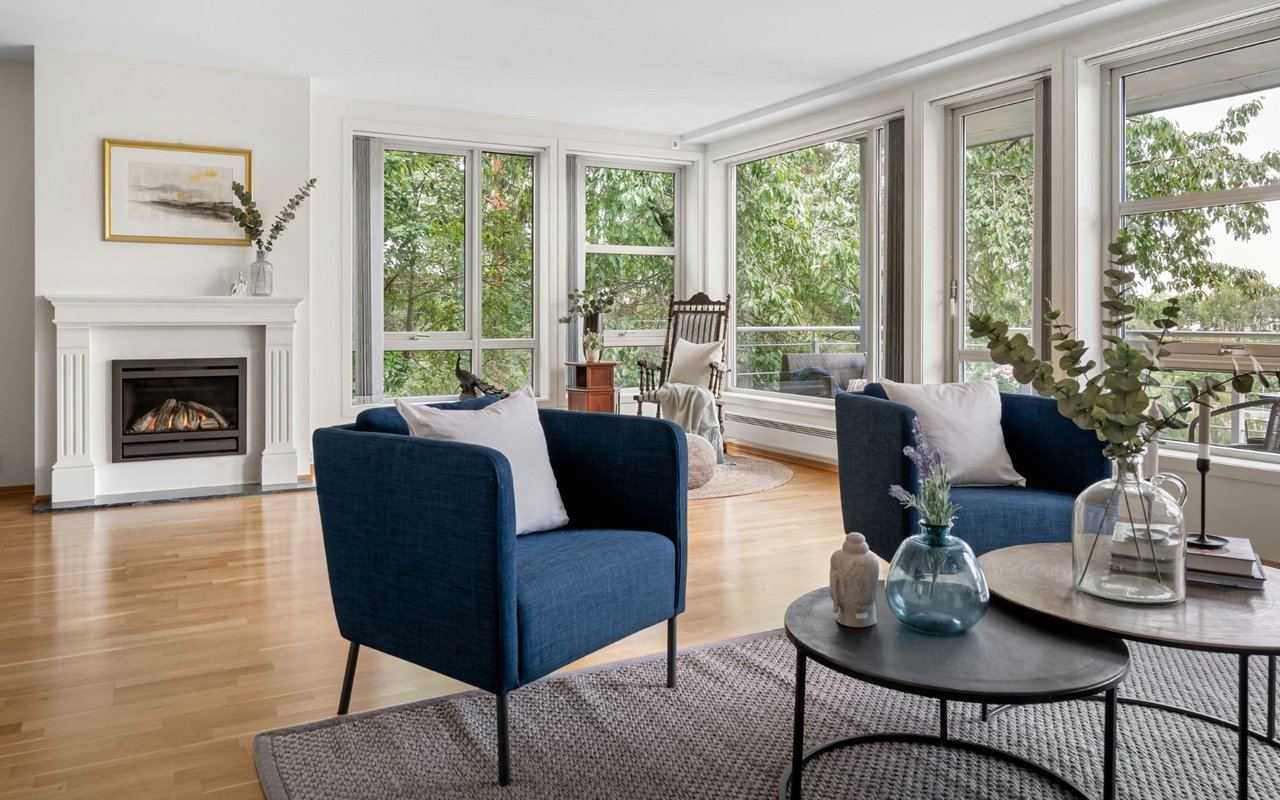
Many neighborhoods built in the last 10 to 20 years feature modern floorplans, open kitchens, and community amenities like pools and playgrounds. If you want energy-efficient design, smart-home features, and a consistent neighborhood aesthetic, new construction is a strong fit. You’ll often see HOAs that handle community standards and amenity upkeep.
Established neighborhoods
Closer to downtown and in older areas, you’ll find homes with traditional layouts and character. Some properties offer smaller lots and closer-in access to shops and services. These areas can be a good choice if you value mature trees, distinct architecture, or a location that shortens local errands.
Acreage and rural options
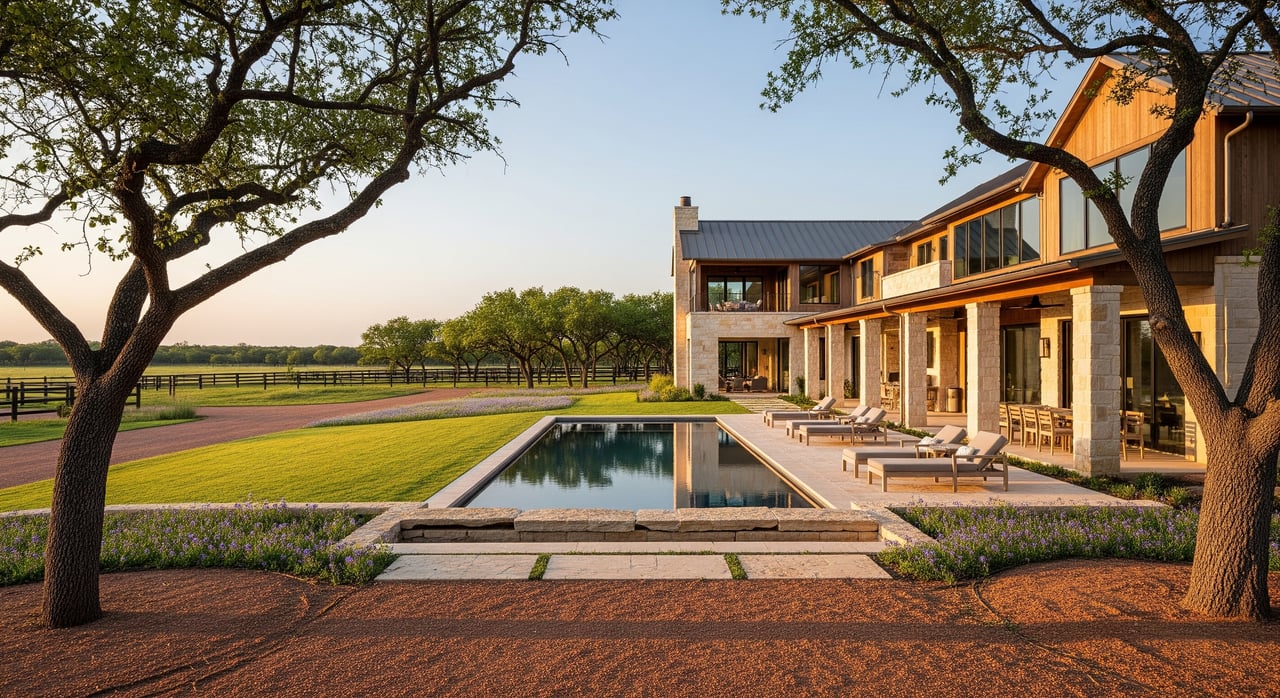
Just beyond city limits, acreage and semi-rural properties are available. If you want extra space for hobbies, trailers, or a workshop, this path can work well. Be sure to review utility service details, local regulations, and drive times to key routes.
HOAs and due diligence
Many newer subdivisions include HOAs. Before you buy, review fees, rules, and the list of amenities. Also consider property tax rates, typical annual tax bills, utility providers, and broadband options if you work from home. School attendance zones and commute routes should also factor into your neighborhood choice.
Midlothian vs nearby suburbs
If you are deciding across the south-DFW arc, here’s how Midlothian often compares.
- Mansfield: More suburban density and a broader retail and healthcare footprint. Commutes can be shorter to some job centers. Midlothian feels smaller and less dense by comparison.
- Waxahachie: Another Ellis County city with a notable historic downtown. Pricing and neighborhood mix can be similar depending on the area you choose.
- Burleson: Sits between suburban and exurban. Your choice may come down to your commute pattern and desired pace of life.
- Grand Prairie: Offers extensive retail and entertainment clusters. It is more built-up than Midlothian, with quick access to certain highways and services.
In general, Midlothian balances space and value with longer average commutes than more central suburbs. It can be more affordable than many north-DFW markets, though pricing varies by neighborhood age and amenities across the region.
A week in the life
Picture a typical weekday. You leave a modern subdivision after breakfast, hop onto a regional highway, and drive to your office in Dallas, Fort Worth, or Arlington. After work, you stop by a grocery store on a main arterial and head home in time for a youth sports practice at the neighborhood field. Evenings are for backyard grilling, short walks on local trails, or a quick dinner at a family-friendly restaurant.
Weekends might include a trip to a larger suburban shopping area for specialty items, time at a nearby lake, or a local festival. You get the benefits of DFW’s scale without living in the middle of it.
Is Midlothian right for you?
You might feel at home in Midlothian if you want more space, a newer home, and a relaxed pace, and you are comfortable with a car-based lifestyle. If you need daily rail access or crave urban nightlife, you may prefer an inner-ring suburb or a closer-in neighborhood. For many buyers, the tradeoff is worth it for the lot size, community feel, and value.
If you are weighing neighborhoods, a quick decision roadmap can help:
- Map your commute during peak hours from a few target communities.
- Review MISD attendance zones and any programs that matter to you.
- Compare HOA rules, amenities, and fees for similar neighborhoods.
- Confirm property tax rates, utilities, and internet options for remote work.
- Walk the area at different times to get a feel for daily life.
Ready to explore homes in Midlothian or nearby suburbs? Connect with a local expert who knows the south-DFW market inside and out. Reach out to Derek Westley for personalized guidance, on-the-ground insight, and a smooth search or sale.
FAQs
What are typical Midlothian commute times?
- For central Dallas or Fort Worth destinations, many drivers see roughly 30 minutes to over an hour during peak periods depending on traffic and route.
Does Midlothian have public transit to Dallas?
- Local fixed-route transit is limited and there is no DART rail in Midlothian, so most residents commute by car; some use nearby park-and-ride options when available.
What types of homes are common in Midlothian?
- You’ll find new construction in planned communities, established neighborhoods near downtown, and acreage properties just outside city limits.
How are schools organized in Midlothian?
- Midlothian Independent School District serves the city with elementary, middle, and high schools; buyers often review attendance zones and available programs.
Where do residents shop and dine in Midlothian?
- Daily needs are covered by local retail, groceries, and regional chains, with small businesses downtown; for specialty dining and big-box clusters, many people drive to nearby suburbs or DFW core cities.
How does Midlothian compare to Mansfield or Waxahachie?
- Mansfield has more suburban density and services, while Waxahachie offers a historic downtown; Midlothian tends to offer a smaller-city feel with larger lots and a calmer pace.